
As part of the Ecoprise project, in which CEI is a partner, the second round of visits for the Ecoprise Course took place on March 26 and April 22, providing participants with hands-on experience in ecological, social, and economic sustainability initiatives, with the aim of promoting the creation of entrepreneurial and regenerative models.
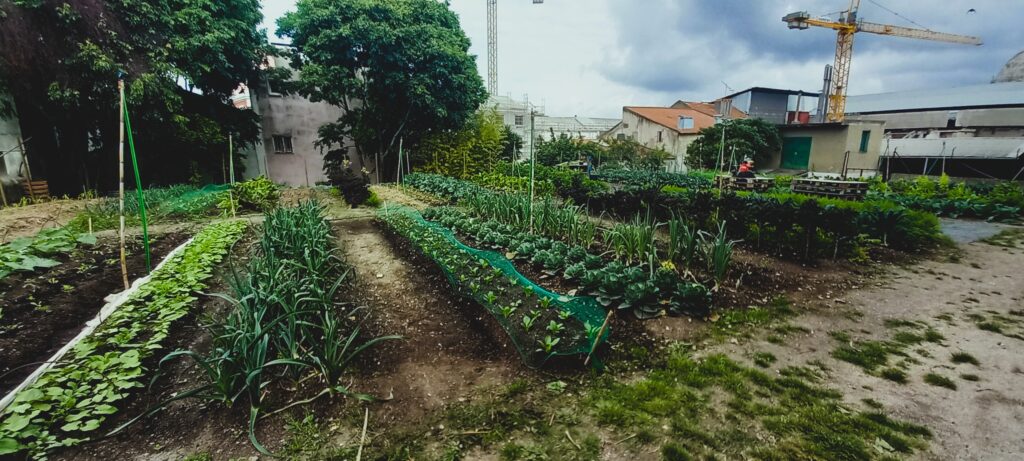
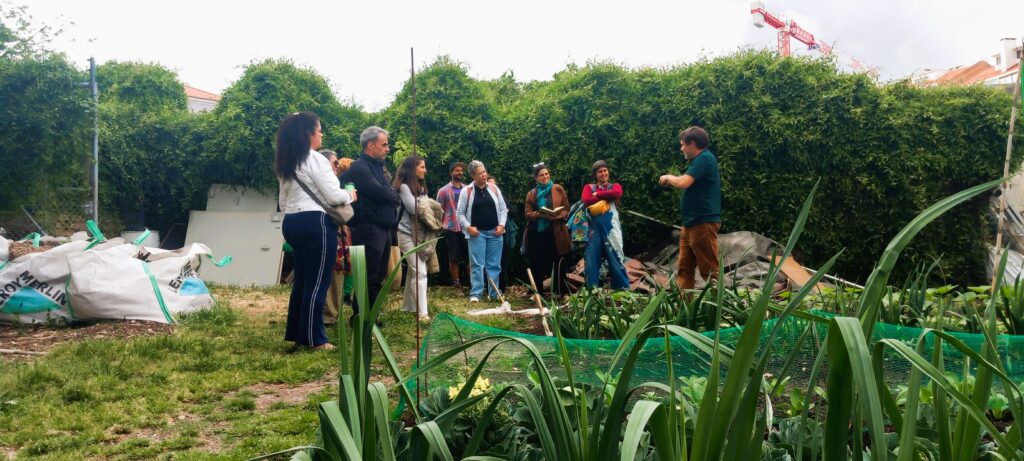
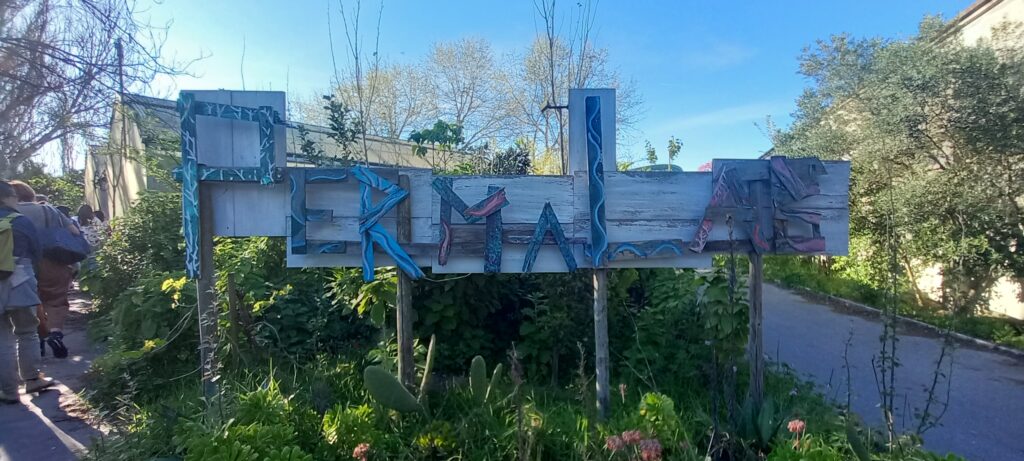
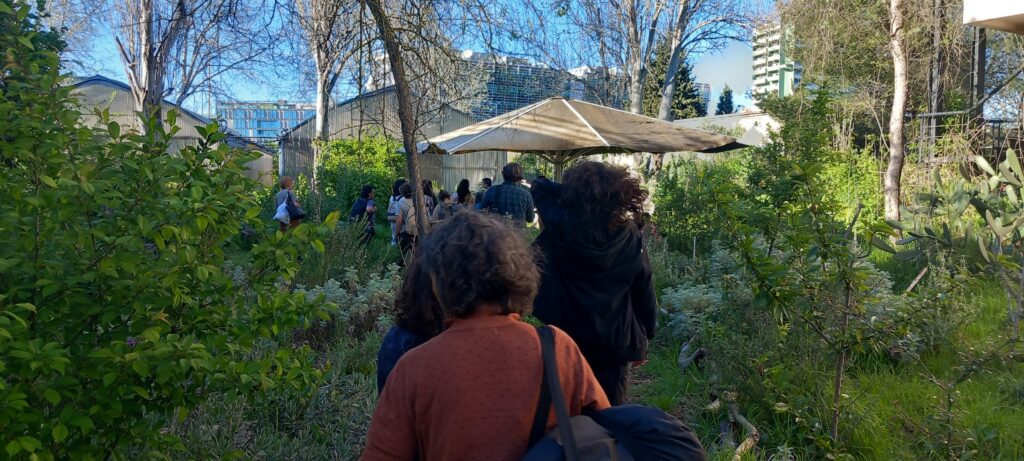
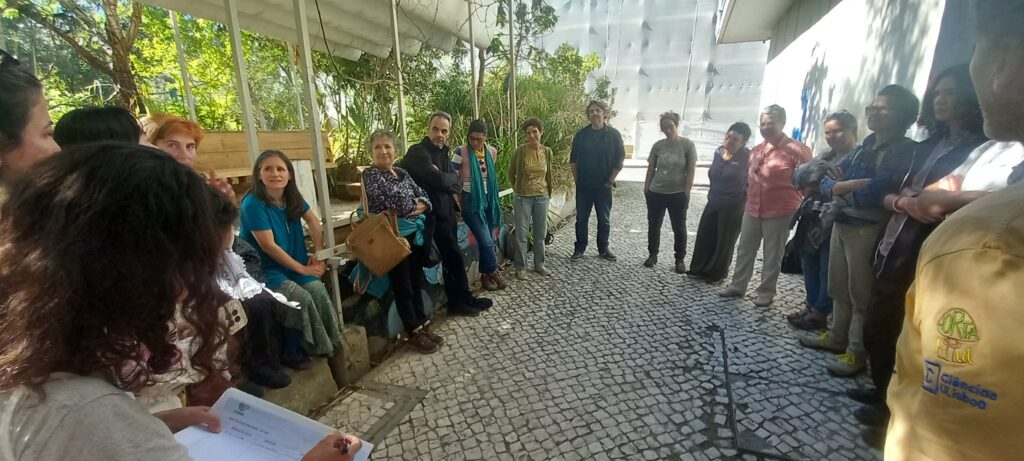
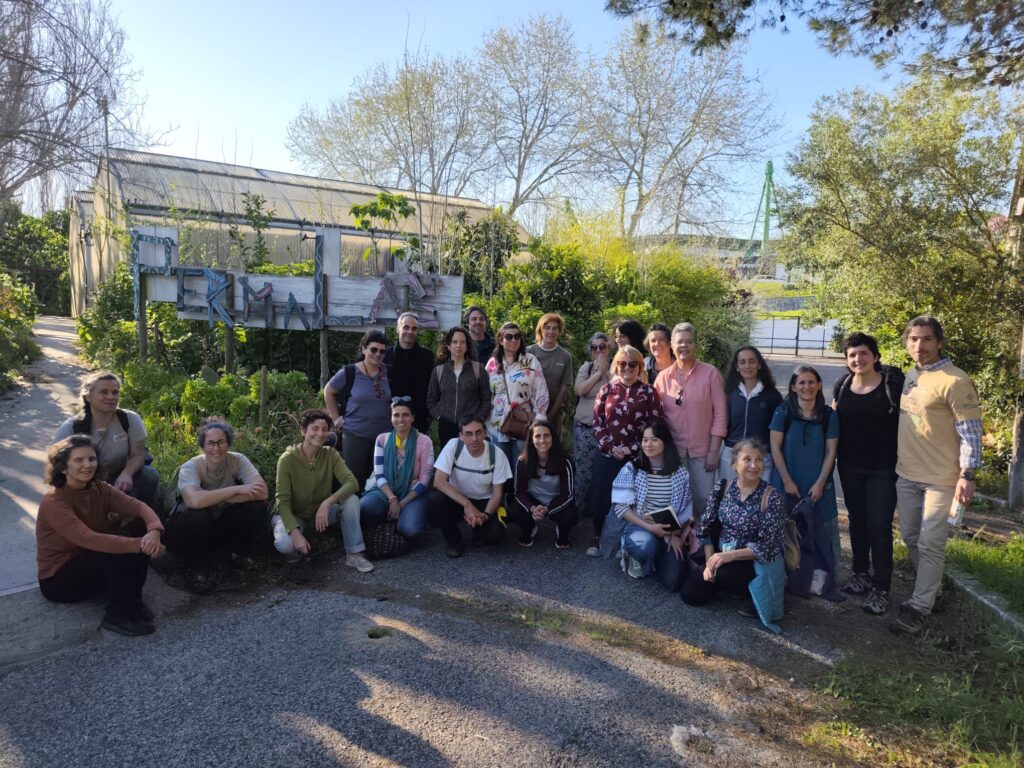
The first visit took place at Horta FCUL, a well-established example of innovation in eco-social and economic sustainability. Since 2009, this project has been developing permaculture activities in an academic setting, combining theory and practice and involving a diverse community of volunteers, students, faculty, and experts. Over the years, Horta FCUL has established itself as a living laboratory where solutions for ecological regeneration and social innovation are tested, with measurable impact at both the environmental and economic levels. This space is also used in educational and scientific contexts, allowing Ecoprise students to observe, in practice, the application of various course topics, particularly modules related to sustainability, social innovation, and regenerative economic models.
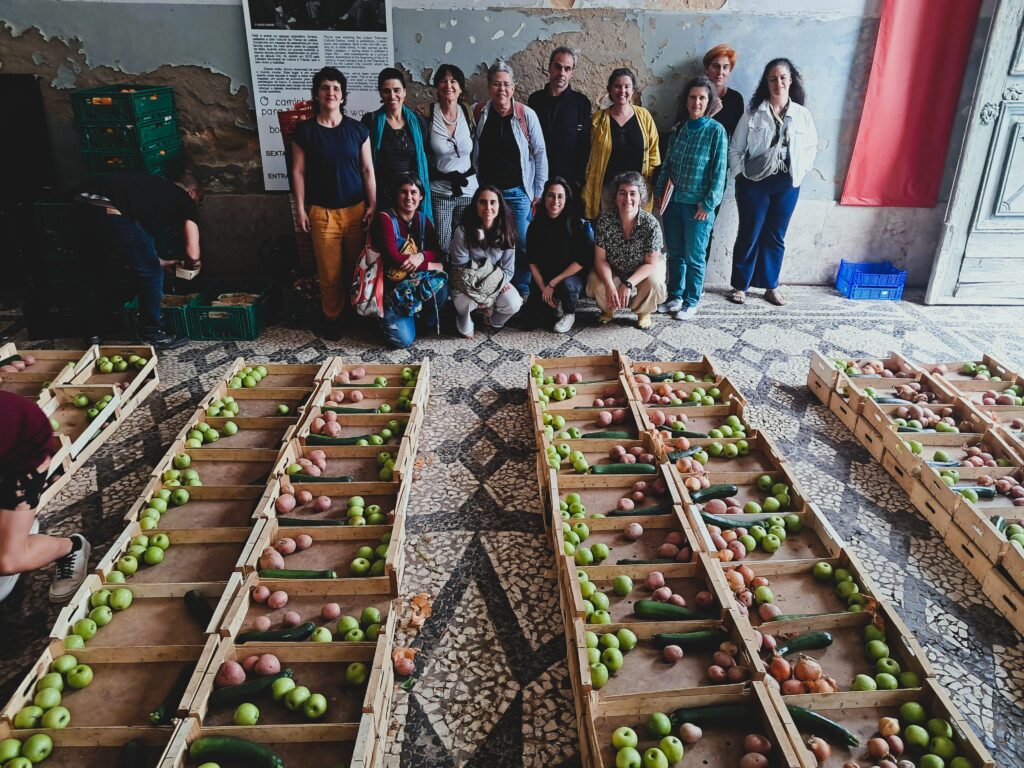
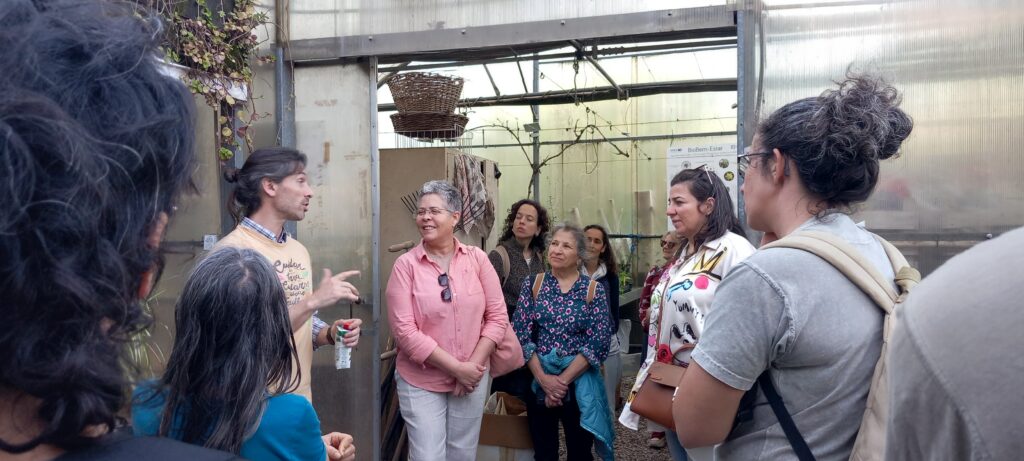
The second visit took place at Fruta Feia, a cooperative that combats food waste by repurposing agricultural products that do not meet commercial standards. The session included a detailed presentation of the project, from its inception to its current operating model, addressing topics such as the challenges of food production and distribution and the importance of ensuring fair prices for producers. This was followed by a discussion, where participants explored issues related to the cooperative model, the functioning of short supply chains, and the social and economic impact of the initiative. The role of Fruta Feia in establishing a direct link between producers and consumers was highlighted, eliminating intermediaries and promoting greater equity in the food system.
The visit also included a trip to a delivery point in Campo de Santa Clara, where participants were able to observe the cooperative’s logistics operations, from the organization of the baskets to the integration of volunteers and interaction with members. The program also included a visit to the Cultiva project, focused on urban agriculture. Its mission, evolution, and implementation model—developed based on experience gained in rural contexts—were discussed. The session also highlighted the role of partnerships established in Lisbon, the financing mechanisms, and the awareness-raising activities promoted by the project.
Photos by: Ecoprise Team