
No âmbito do projeto Ecoprise, do qual o CEI é parceiro, a segunda ronda de visitas para o Curso Ecoprise realizou-se 26 de março e 22 de abril, proporcionando aos participantes experiência prática em iniciativas de sustentabilidade ecológica, social e económica, com o objetivo de promover a criação de modelos empreendedores e regenerativos.
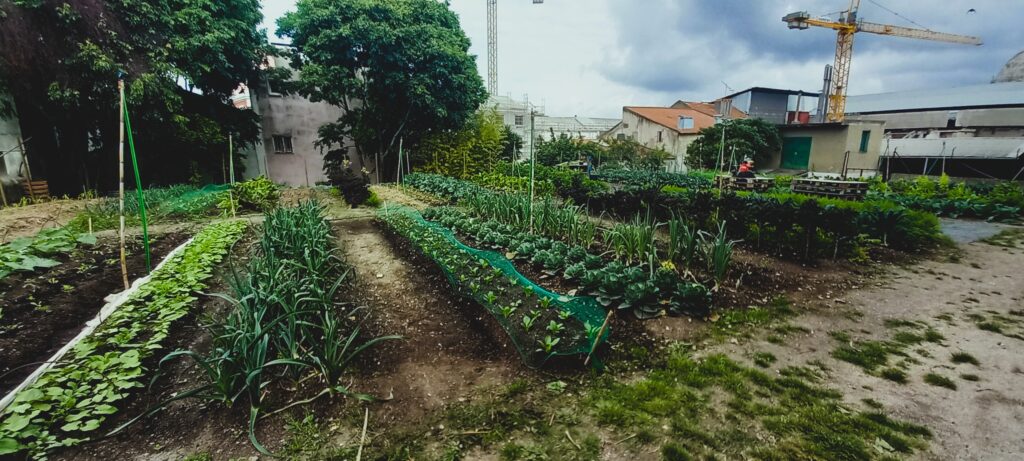
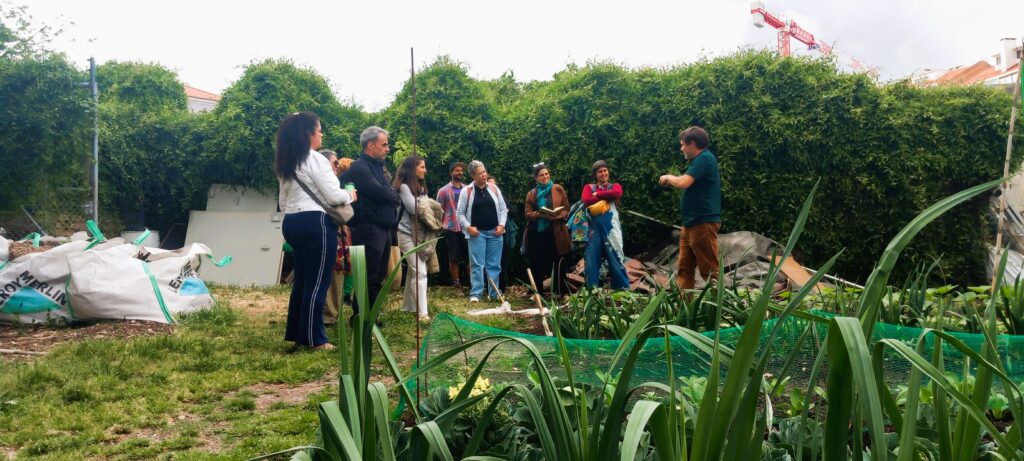
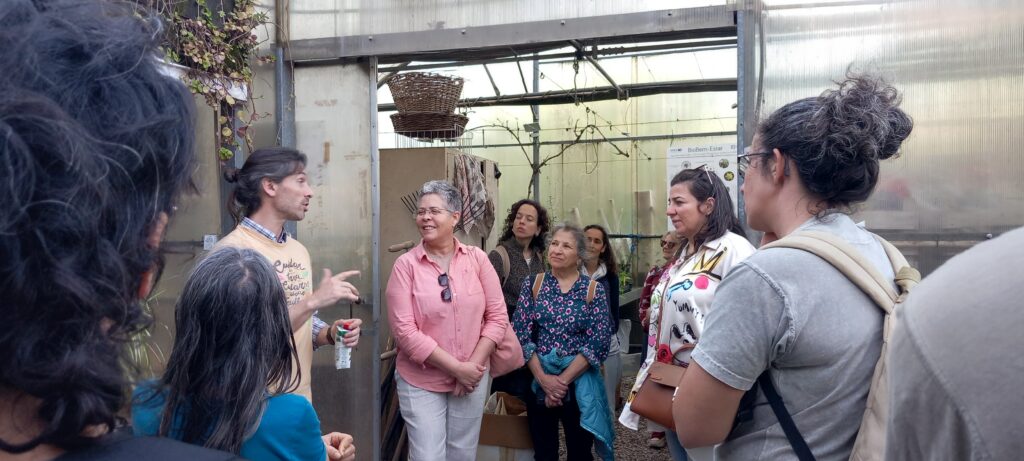
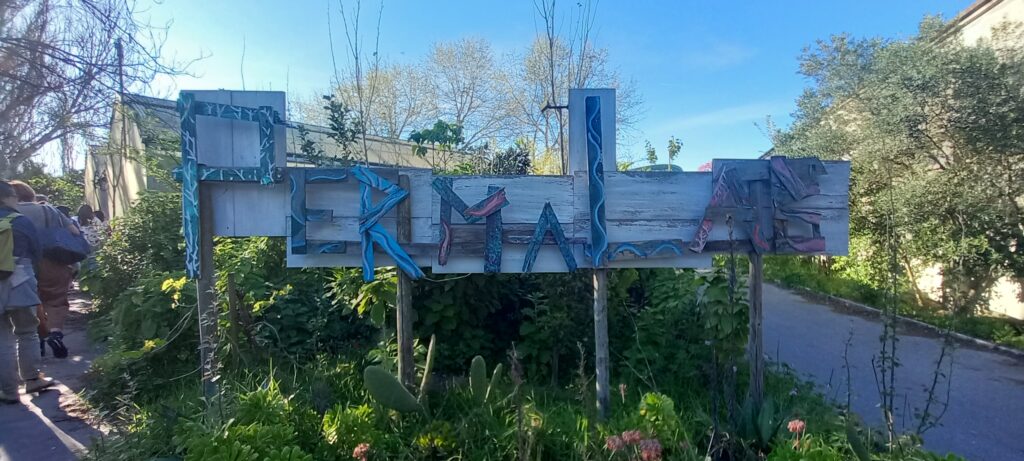
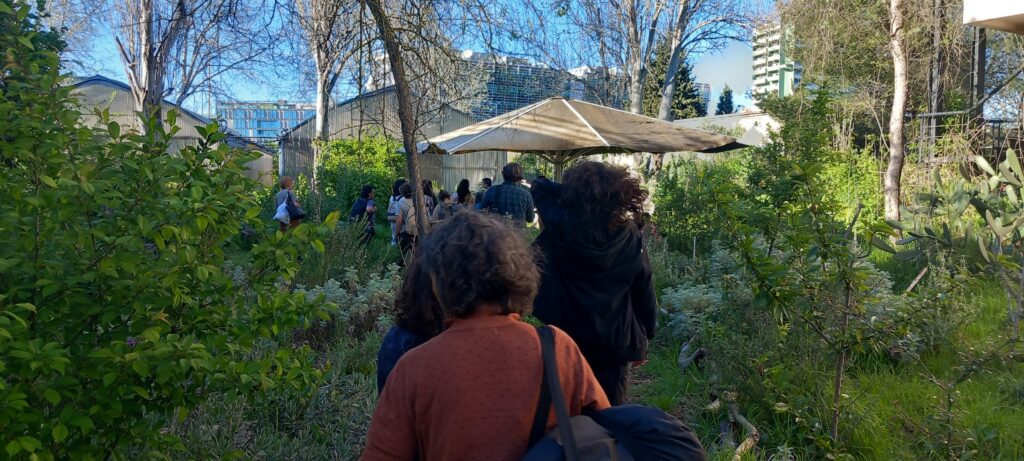
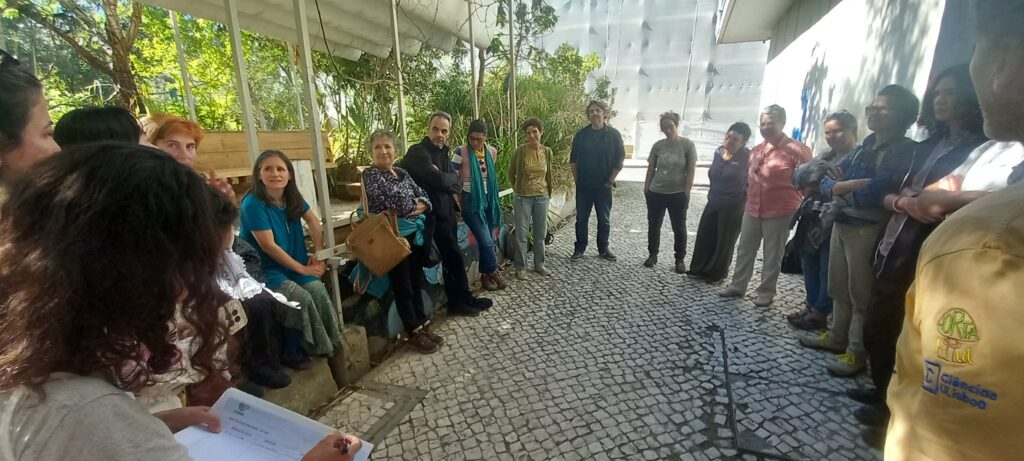
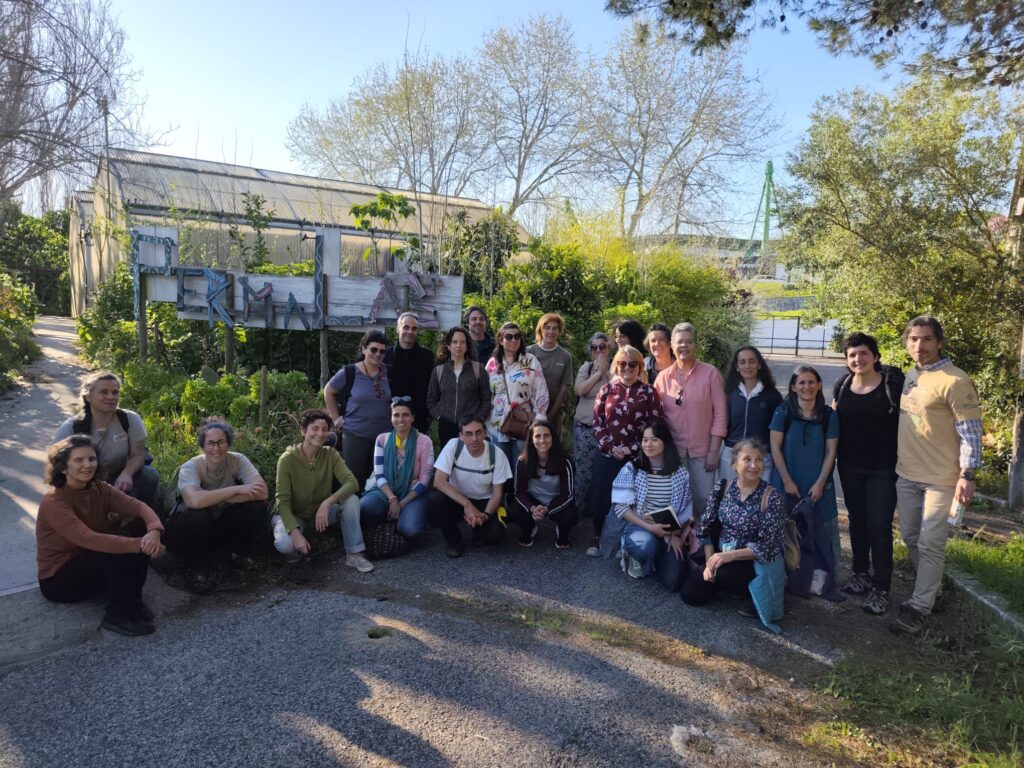
A primeira visita teve lugar na Horta FCUL, um exemplo consolidado de inovação em sustentabilidade eco-social e económica. Desde 2009, este projeto tem vindo a desenvolver atividades de permacultura num contexto académico, combinando teoria e prática e envolvendo uma comunidade diversificada de voluntários, estudantes, docentes e especialistas. Ao longo dos anos, a Horta FCUL consolidou-se como um laboratório vivo onde são testadas soluções para a regeneração ecológica e a inovação social, com impacto mensurável tanto a nível ambiental como económico. Este espaço é também utilizado em contextos educativos e científicos, permitindo aos alunos do Ecoprise observar, na prática, a aplicação de vários temas do curso, em praticar módulos relacionados com a sustentabilidade, a inovação social e modelos económicos regenerativos.
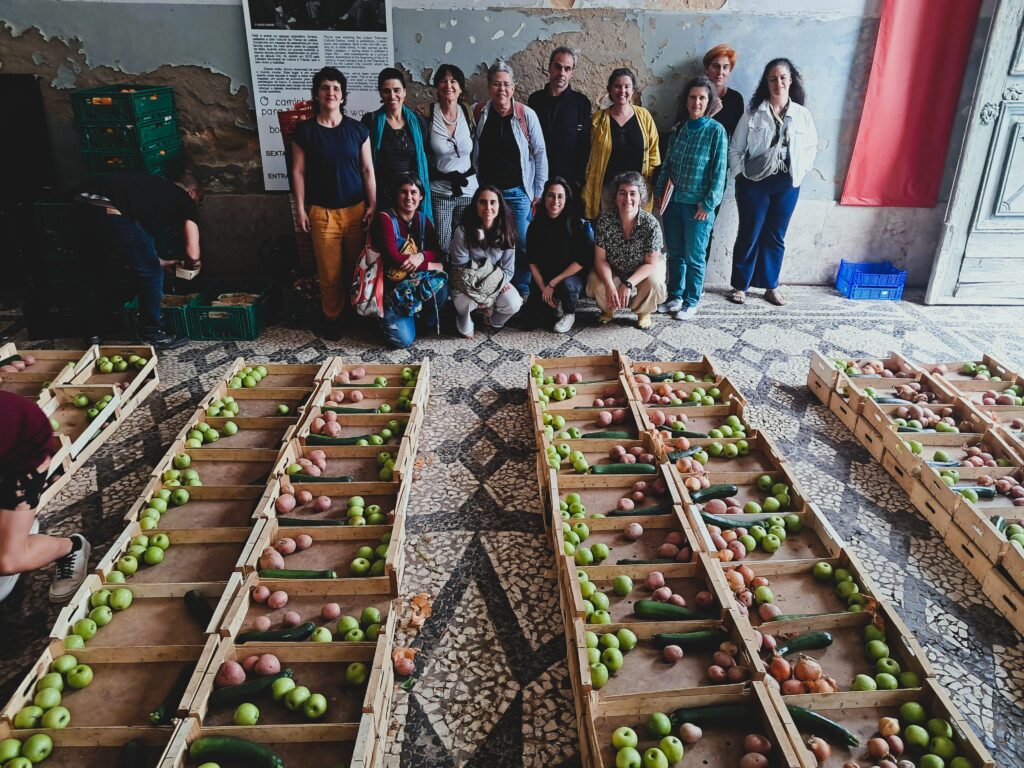
A segunda visita teve lugar na Fruta Feia, uma cooperativa que combate o desperdício alimentar através da reutilização de produtos agrícolas que não cumprem os padrões comerciais. A sessão incluiu uma apresentação detalhada do projeto desde a sua criação até ao atual modelo de funcionamento, abordando temas como os desafios da produção e distribuição alimentar e a importância de garantir preços justos aos produtores. Seguiu-se um debate, durante o qual os participantes exploraram questões relacionadas com o modelo cooperativo, o funcionamento das cadeias de abastecimento curtas e o impacto social e económico da iniciativa. Foi destacado o papel da Fruta Feia no estabelecimento de uma ligação direta entre produtores e consumidores, eliminando intermediários e promovendo uma maior equidade no sistema alimentar.
A visita incluiu também uma deslocação a um ponto de distribuição no campo de Santa Clara, onde os participantes puderam observar as operações logísticas da cooperativa desde a organização das cestas de alimentos à integração de voluntários e interação com os membros. O programa incluiu ainda uma visita ao projeto Cultiva, que se centra na agricultura urbana. A sessão abordou a missão, a evolução e o modelo de implementação do projeto, desenvolvido com base na experiência adquirida em contextos rurais. Destacou ainda o papel das parceiras estabelecidas em Lisboa, os mecanismos de financiamento do projeto e as atividades de sensibilização que promove.
Fotografias por : Equipa da Ecoprise